
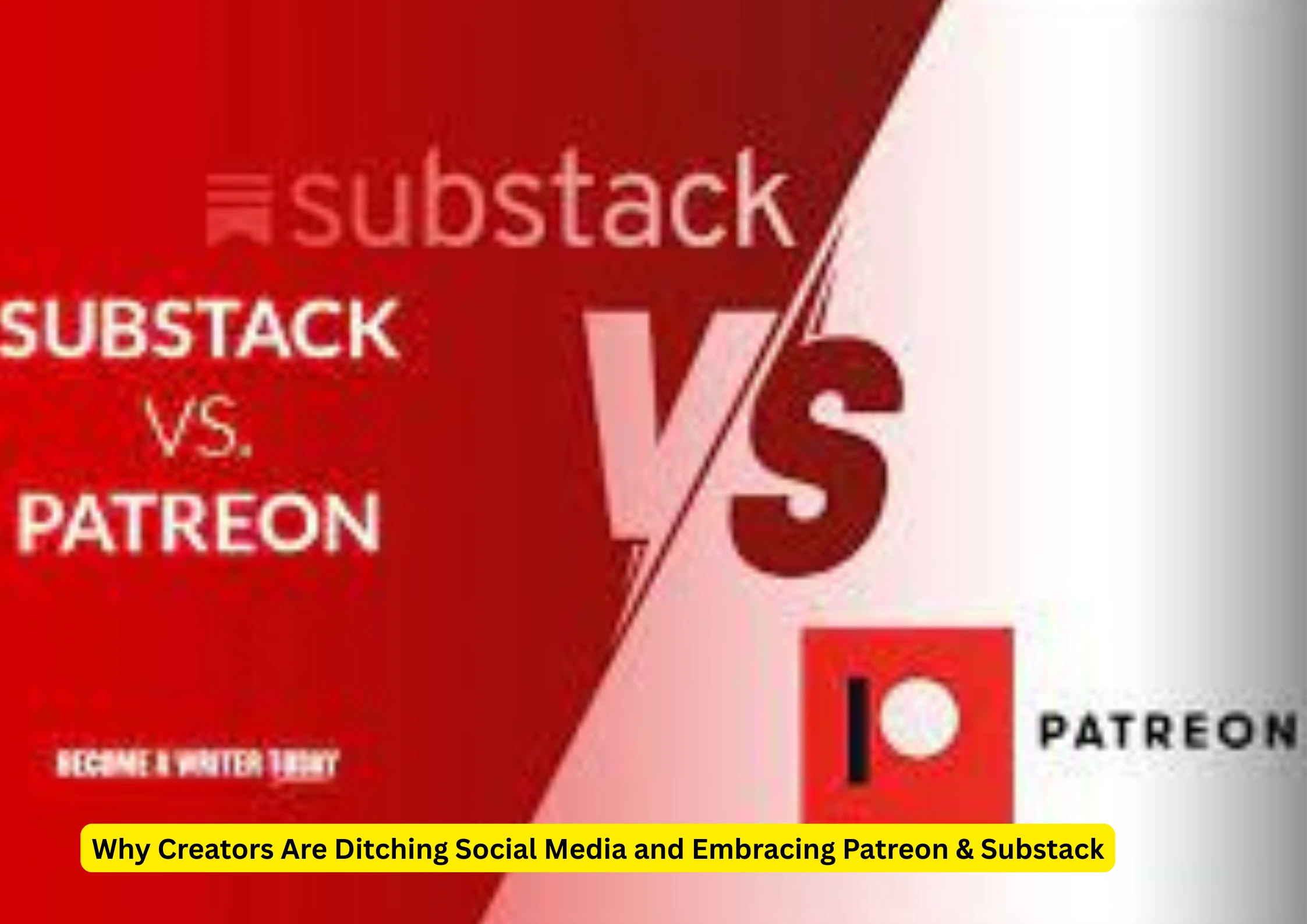
In today’s fast-changing digital landscape, creators are rethinking their strategies. Traditional social media platforms, once considered the ultimate growth engine, are losing their…
The Shift from Social Media to Creator Platforms
Social media has long been the primary channel for creators to build communities. However, declining organic reach, algorithm-driven visibility, and low monetization opportunities are prompting the need to seek better options. This is where Creator Platforms like Patreon and Substack come in.
These platforms allow to bypass the algorithm trap and build direct relationships with their audiences. Instead of competing with millions of posts for attention, creators can now deliver exclusive content to subscribers who genuinely value their work.
Why Patreon and Substack Are Winning
Patreon: Monetizing Creative Work
Patreon has rapidly become one of the most trusted creator platforms, Unlike traditional social media, where revenue depends heavily on ads and fluctuating algorithms, Patreon allows to receive direct financial support from their audience. Today, musicians, podcasters, writers, artists, and educators are using the platform to build subscription-based memberships that provide exclusive perks such as early access, behind-the-scenes updates, premium content, and personal interactions. This approach helps move away from chasing vanity metrics like likes and shares, enabling them to focus on building loyal communities that truly value their work. What makes Patreon stand out is the opportunity it gives creators to develop sustainable income streams without relying solely on brand deals or ad revenue.
Substack: The Power of Newsletters
Substack is revolutionizing the world of digital publishing by giving creators full control over their work. Unlike traditional platforms where algorithms dictate visibility, Substack empowers writers, journalists, and thought leaders to build paid newsletters and connect directly with loyal readers. For creators, this model removes the pressure of chasing likes, shares, or viral clicks, allowing them to focus purely on delivering quality content. Substack also strengthens the bond between creators and their audience, ensuring a more authentic and sustainable relationship.
The Creator Economy in 2025
The global digital economy is projected to reach new milestones in 2025. With over 200 million independent professionals worldwide, platforms like Patreon and Substack are becoming central to the online ecosystem. These tools allow individuals to fully own their content, set pricing models, and engage with their audience on their own terms.
In addition, brands are increasingly partnering with influencers and independent publishers on such platforms because of their highly loyal and niche communities. This approach not only opens up additional income opportunities but also helps maintain authenticity in collaborations.
The Advantages of Creator Platforms Over Social Media
- Direct Audience Engagement – No algorithms blocking reach.
- Better Monetization – Earnings come directly from fans, not ads.
- Creative Freedom – No restrictions on content style or length.
- Loyal Communities – Subscribers are more invested than casual followers.
- Sustainable Growth – Consistent revenue helps creators focus on quality.
Challenges Creators Still Face
Although Creator Platforms provide greater freedom and independence, they also come with challenges. Building a loyal, paying subscriber base takes significant time, effort, and trust. At the same time, growing competition among platforms means creators must carefully decide where to invest their energy for maximum impact.
The Future of Creator Platforms
As social media continues to prioritize ads and algorithms, Creator Platforms like Patreon and Substack will keep gaining traction. The future belongs who take ownership of their content, build direct audience relationships, and leverage platforms that put creators first.
For those looking to escape the limitations of social media, Patreon and Substack are more than alternatives—they represent the next chapter of digital independence. Read more about Latest Innovations & Updates About Social Media Trends 2025

This blog is definitely rather handy since I’m at the moment creating an internet floral website – although I am only starting out therefore it’s really fairly small, nothing like this site. Can link to a few of the posts here as they are quite. Thanks much. Zoey Olsen