
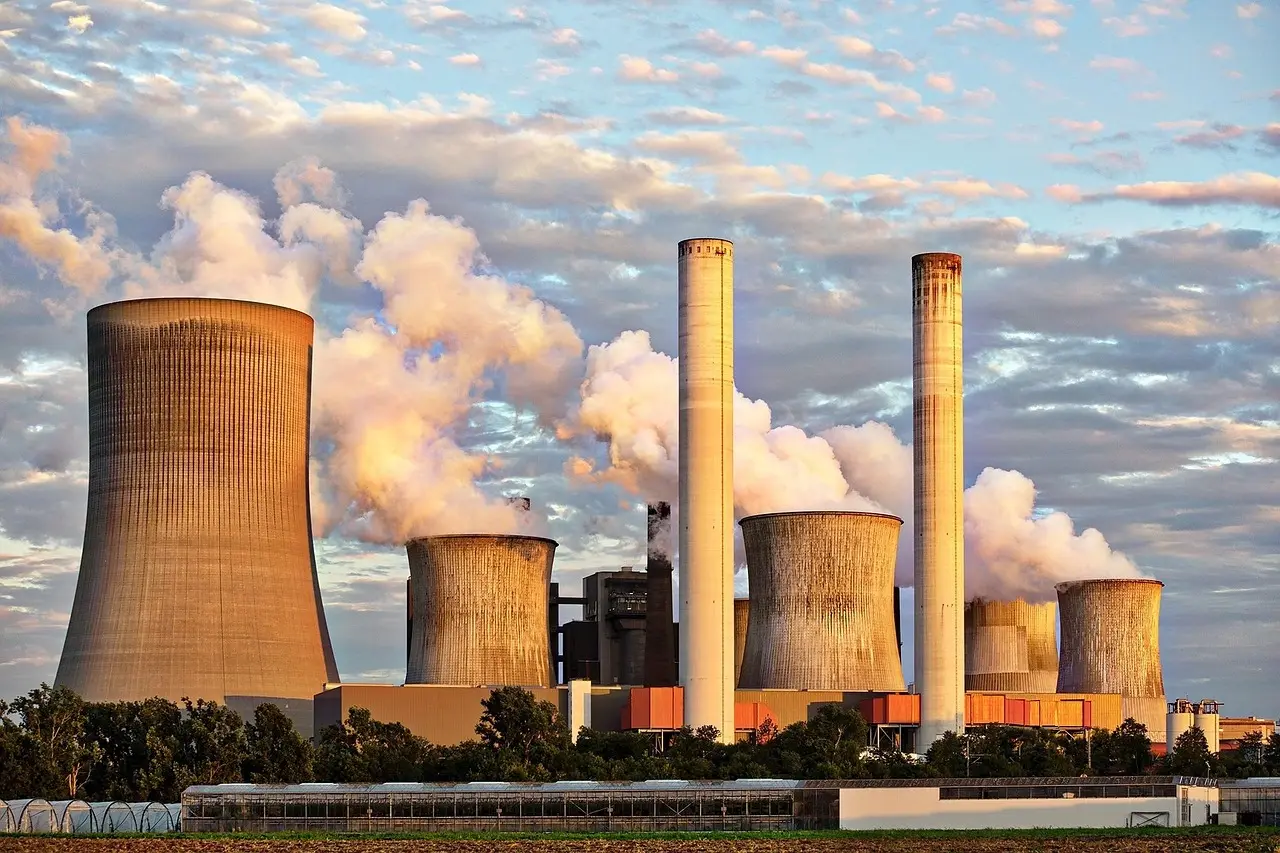
The artificial intelligence revolution is creating an unexpected twist in America’s energy story. The US Energy Secretary recently revealed that coal power plants, once scheduled for retirement, are now staying open longer to meet soaring electricity demand from AI.
As data centers, machine learning systems, and cloud computing platforms consume massive amounts of power, energy providers face a difficult choice: keep the lights on or stick to climate goals. This decision highlights a growing tension between technological progress and environmental responsibility. Let’s dive into how AI’s hunger for energy is reshaping our power grid and what it means for the future.
Background: AI’s Growing Energy Needs
Artificial intelligence applications such as machine learning, data centers, and high-performance computing consume massive amounts of electricity. From powering cloud services to training large AI models, the energy demand is skyrocketing. According to experts, the growth of AI could rival the electricity needs of entire countries in the near future. This surge in demand is forcing policymakers and energy providers to rethink their strategies.
Coal Power Plants and Their Role
Coal power plants, which were scheduled for retirement as part of global decarbonization goals, are now being kept operational for longer periods. The reasons include:
- Stable Energy Supply: Coal power plants can provide a steady, base-load energy supply, which is crucial for uninterrupted AI operations.
- High Demand Pressures: Renewable energy sources like wind and solar are growing, but they may not yet meet the sudden spike in demand.
- Grid Stability: Coal power plants help stabilize the energy grid during peak loads, ensuring data centers and AI systems remain online.
Environmental Concerns
While delaying coal plant retirements addresses short-term energy needs, it also raises significant environmental issues. Coal is one of the largest sources of carbon emissions, and continued reliance on it could:
- Increase greenhouse gas emissions
- Undermine global climate commitments
- Slow down the transition to renewable energy
- Exacerbate air pollution and public health risks
This situation creates a conflict between technological progress and environmental sustainability.
Energy Secretary’s Statement
The US Energy Secretary emphasized the urgency of balancing innovation with climate responsibility. According to the statement:
- AI-driven electricity demand is growing faster than expected
- Policymakers need to prepare for long-term solutions
- Investments in clean energy infrastructure must accelerate
- Temporary reliance on coal does not mean abandoning climate goals
This perspective reflects the challenge of meeting AI’s energy needs without sacrificing environmental commitments.
Global Implications
The issue is not limited to the United States. Countries worldwide are experiencing similar pressures. For example:
- China: Leading in AI development, China continues to rely heavily on coal to power its massive data centers.
- Europe: Despite strong climate commitments, some EU countries are reconsidering coal retirements to ensure energy security.
- Developing Nations: Growing AI adoption in emerging economies may lead to greater coal dependency unless renewable infrastructure scales up.
Thus, the AI boom is creating a global energy dilemma, where coal remains a fallback option despite environmental concerns.
The Path Forward
Experts suggest that the only sustainable solution lies in rapidly scaling up renewable energy and integrating advanced storage technologies. Key steps include:
- Expanding wind, solar, and hydroelectric projects
- Developing nuclear energy as a clean base-load option
- Investing in energy-efficient AI
Conclusion
The delay in coal power plant retirements to meet AI energy demand reflects the tension between technological innovation and environmental sustainability. While coal ensures short-term energy stability, it poses long-term risks to climate goals and public health. To truly harness the benefits of AI without harming the planet, urgent investments in renewable energy and sustainable infrastructure are essential. Policymakers, industries, and technology leaders must work together to strike a balance between progress and responsibility.